
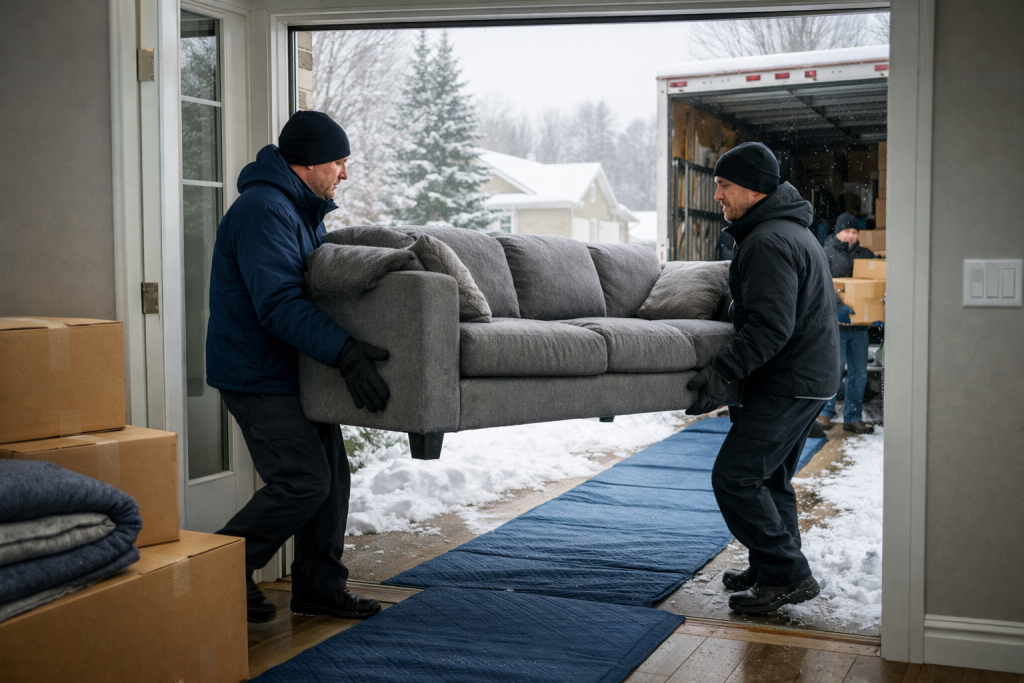
Winter isn’t usually the season people plan to move — but for many households and businesses, February ends up being the right time. Whether it’s a job change, a lease ending, or a fresh start before spring, winter moves are more common than people think.
At Mike the Mover, we move year-round — and we know that a February move comes with a few extra considerations. The good news? With the right preparation (and the right moving team), winter moving can be smooth, efficient, and even less stressful than peak moving season.
The Benefits of Moving in February
While winter weather gets a bad reputation, February moves actually come with some advantages:
More scheduling flexibility
Spring and summer book up fast. February often offers more date and time options, making it easier to move on your schedule.
Less competition for elevators and parking
In apartment buildings and condos, winter moves often mean fewer conflicts with other movers and residents.
Cooler temperatures for safer moving
Cold weather reduces the risk of heat-related damage to furniture, electronics, and household items — and it’s often more comfortable for longer moving days.
Winter Moving Challenges (and How We Handle Them)
Moving in winter does require experience and planning. Here’s how we make February moves safer and more efficient:
1. Protecting Floors & Entryways
Snow, slush, and salt can damage floors fast. Our crews use floor runners and protective materials to keep your home clean and safe from entry to exit.
2. Weather-Aware Planning
We monitor forecasts closely and adjust timing when needed. If weather becomes unsafe, we communicate early — no surprises.
3. Extra Care With Furniture
Cold temperatures can affect wood, leather, and fragile items. Proper wrapping and handling are essential, especially when loading and unloading in winter conditions.
4. Experienced Winter Crews
Not every mover is prepared for winter conditions. Our team is trained to work efficiently on icy driveways, snowy walkways, and tight winter access points.
How to Prepare for a February Move
If you’re planning a winter move, a little prep goes a long way:
- Clear snow and ice from walkways and driveways before moving day
- Set aside boots, coats, and winter essentials so they’re easily accessible
- Keep valuables, medications, and important documents with you
- Let your movers know about parking restrictions or snow removal schedules
A Fresh Start Before Spring
For many people, February is about clearing space — physically and mentally — before the busy spring season begins. A winter move can be a clean slate, handled efficiently and without the chaos of peak moving months.
At Mike the Mover, we’re proud to help families and businesses move safely in every season. Winter included.
If you’re considering a move this February or early spring, we’re happy to help you plan it the right way.